

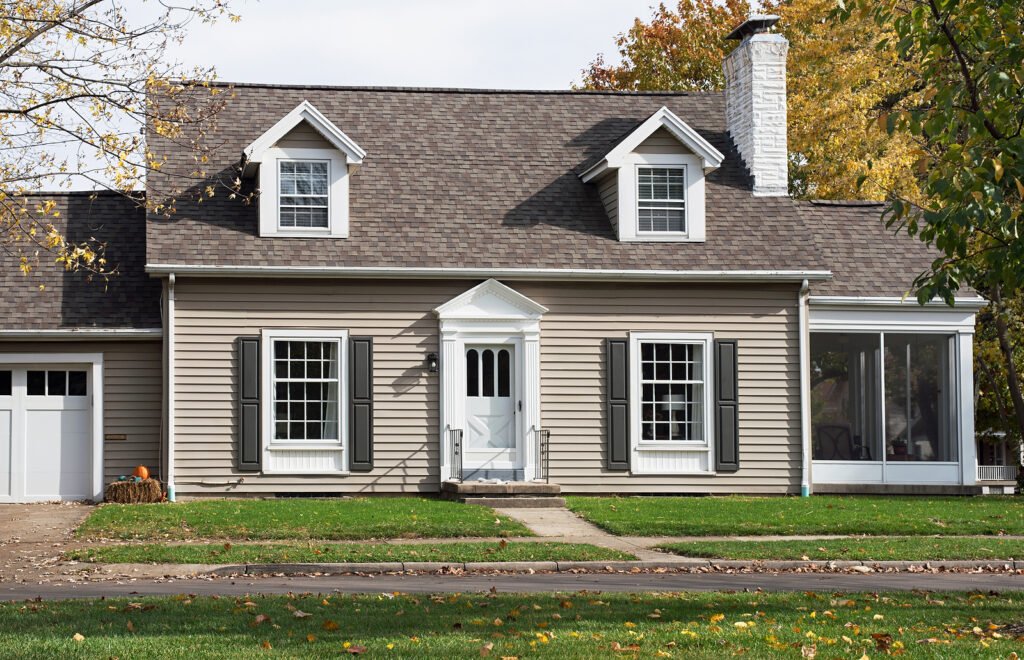
Your home’s exterior isn’t just siding. It’s a connected system of windows, insulation, gutters, soffit, fascia, and doors working together to protect your Northern Illinois home. When one component fails or gets upgraded without considering the others, energy efficiency, moisture control, and structural protection suffer. Understanding how your exterior system functions as a whole helps you plan smarter spring improvements in McHenry County and the Northwest Chicago suburbs.
Key Components of Your Home’s Exterior System in Northern Illinois
- Thermal envelope (walls, windows, doors, roof assembly)
- Wall insulation and recommended R-values for Climate Zone 5
- Energy-efficient window performance and proper installation
- Air sealing at penetrations and rough openings
- Weather-resistant barriers (house wrap) behind siding
- Siding as the primary weather and impact shield
- Gutter systems directing water away from foundations
- Fascia boards supporting gutters and sealing roof edges
- Soffit ventilation regulates attic moisture and temperature
- Moisture drainage and flashing integration around windows
- Freeze-thaw cycle impact on Northern Illinois homes
- Comprehensive vs. staged exterior renovation planning
Why Spring Planning Means Thinking About Your Entire Exterior as a Connected System
Jackson Exteriors has served Northern Illinois since 1982, and in those four decades, we’ve learned something important: homeowners who understand how their exterior components work together as a system make better decisions about improvements. As spring approaches and you’re planning projects, it’s worth understanding what “your home’s exterior” actually means, because it’s far more than just siding.
Your home’s exterior is an integrated system where every component depends on the others. Windows, insulation, siding, gutters, soffit, fascia, and doors work together to keep weather out, maintain comfortable temperatures, manage moisture, and protect structural integrity. When one component fails or gets upgraded without considering the others, the entire system’s performance suffers.
This matters now because spring is when most Northern Illinois homeowners plan exterior projects. Whether you’re in McHenry with a 1980s ranch, Arlington Heights considering updates to a 1970s colonial, or Woodstock improving an older home, understanding these system interactions helps you make smarter investment decisions.
The Thermal Envelope: Your Home’s First Line of Defense
Your home’s thermal envelope is the boundary between conditioned indoor space and outside elements: exterior walls with insulation, windows, doors, the roof assembly, and foundation. When this envelope is intact, your HVAC systems work efficiently. When it’s compromised, you’re paying to heat or cool the outdoors.
Here’s where systems thinking becomes crucial. Excellent wall insulation doesn’t matter if windows are original single-pane units from 1985; you’re losing massive amounts of energy through those openings. Conversely, premium windows can’t compensate for inadequate wall insulation. The thermal envelope only works when all components perform together.
In Northern Illinois with temperature swings from below zero to the high 90s, thermal envelope performance directly impacts comfort and energy costs. A home in Algonquin with R-13 insulation and older windows feels drafty in winter and struggles to stay cool in summer, resulting in constant HVAC use. That same home with upgraded insulation and modern dual-pane, gas-filled windows maintains consistent temperatures with far less energy.
Window performance involves more than glass quality. Frame material, installation quality, and integration with the wall assembly all affect thermal performance. A premium window poorly installed (with gaps around the frame or insufficient insulation in the rough opening) performs worse than a mid-grade window properly integrated into the wall system. This is why experienced installers matter: window replacement isn’t just swapping units, it’s creating a continuous thermal barrier where the window meets the wall.
Moisture Management: The System That Protects Everything Else
While thermal performance gets attention, moisture management might be even more critical to your home’s long-term health. Water rots wood, promotes mold, damages insulation, and accelerates deterioration. Every exterior component plays a role in keeping moisture outside.
Gutters are your first line of defense, collecting roof water and directing it away from foundations. When gutters fail, through clogs, leaks, or insufficient capacity, water cascades down walls, accumulates near foundations, and infiltrates basements. In Woodstock or McHenry where clay soils don’t drain well, poor gutter performance leads directly to foundation problems.
But gutters can’t work alone. They need properly functioning fascia boards for mounting, soffits for attic ventilation, and siding creating a weathertight barrier. Rotted fascia cannot securely support gutters. Blocked soffits trap moisture in attics. Compromised siding allows water infiltration regardless of gutter performance.
Siding creates your primary weather barrier, but modern systems rely on proper layering. Behind visible siding, there’s typically a weather-resistant barrier (house wrap), then sheathing, then wall studs with insulation. Water that gets past the siding (and some will) needs to drain down the barrier and exit at the bottom rather than getting trapped inside the walls. This is why installation technique matters enormously.
Window installation intersects directly with moisture management. Where windows meet wall assemblies, infiltration is particularly likely. Proper installation requires careful flashing; membranes or metal pieces directing water away from vulnerable areas. A window that looks perfect can still leak if flashing isn’t installed correctly, allowing water into wall cavities where damage goes unseen until it’s severe.
Structural Protection: How Components Support Each Other
Your exterior components work together to protect and support the structure itself. This aspect is often overlooked until problems become severe, but these relationships explain why comprehensive approaches make more sense than piecemeal repairs.
Soffit and fascia systems do more than create a finished roofline appearance. Fascia provides mounting surfaces for gutters and seals the wall-to-roof transition, preventing wind-driven rain and pests from entering attics. Soffits provide critical attic ventilation to control moisture and regulate temperature. Both components also protect exposed roof rafters and wall framing ends from the weather.
When fascia deteriorates (most often from water damage caused by failing gutters) consequences cascade. Rotted fascia cannot properly support gutters, leading to sagging and further water problems. It exposes structural lumber to direct weather, accelerating rot in roof framing. Similarly, damaged soffits allow moisture into attics, where it attacks roof decking and framing.
Problems often cascade systemically. Gutters fail, causing water overflow. Overflow damages fascia. Damaged fascia can’t support gutters, worsening the gutter problem. Water infiltrates soffit areas, causing attic moisture issues. Trapped moisture accelerates siding deterioration. What could have been straightforward gutter repair becomes comprehensive work involving gutters, fascia, soffit, and siding.
The Window-Insulation-Siding Triangle
Three components, windows, insulation, and siding, form a particularly critical subsystem. These elements create the bulk of your thermal envelope, and their relative performance determines home comfort and efficiency.
Consider a typical Arlington Heights home built in 1975 with original components: R-11 fiberglass insulation (era standard), original aluminum-frame single-pane windows, and aging vinyl or aluminum siding. Each component underperforms by modern standards, and, more importantly, they all underperform together.
Replacing only the windows with high-performance, modern units will yield some improvement. But you’re still losing significant heat through poorly insulated walls, and aging siding may allow air infiltration, undermining the performance of the new windows. The improved windows might create comfort issues: new windows seal tightly, while the rest of the envelope remains leaky, potentially causing pressure imbalances and increased drafts elsewhere.
Replace only the siding with modern, insulated products to increase thermal resistance and reduce infiltration. But old windows remain as massive thermal weak points, and R-11 wall insulation is still well below current R-20 recommendations for our climate zone.
The most effective approach addresses these components together or in a planned sequence with the end system in mind. This doesn’t necessarily mean doing everything at once; budget and timing constraints are real. But it means planning systemically. If you’re addressing windows this spring because they’re most urgent, plan for wall insulation improvements in the next phase and siding eventually. This creates components that work together rather than mismatched elements that don’t complement each other.
Air Sealing: The Invisible but Critical Component
One often-overlooked aspect is air sealing: closing gaps, cracks, and penetrations prevents conditioned air from escaping and outdoor air from infiltrating. This work is invisible once completed, but its impact on energy efficiency and moisture control is profound.
Your home has numerous envelope penetrations: electrical outlets, light fixtures, plumbing, HVAC vents, dryer vents, and countless other holes. Each gap might seem insignificant, but collectively they can equal leaving a window open year-round. Studies consistently show air sealing provides some of the best returns on investment for energy efficiency.
Air sealing connects directly to other system components. When windows are replaced, proper air sealing around rough openings is critical. When siding is installed, paying close attention to air sealing at the sheathing level dramatically improves the wall assembly’s performance. When insulation is added or upgraded, air sealing should occur first or simultaneously; otherwise, you’re just insulating leaky walls.
The relationship between air sealing and moisture management is particularly important in our climate. Warm, moist indoor air escaping through gaps in winter can condense when it contacts cold surfaces in wall cavities, creating hidden moisture problems that can lead to mold and rot. Proper air sealing prevents this moisture migration.
Why Spring Planning Is Strategic
Spring represents an ideal planning window for several practical reasons. The weather stabilizes enough for reliable project scheduling, but you’re ahead of the busy summer construction season. More importantly, spring gives you time to think comprehensively rather than reactively.
Many homeowners contact contractors when something breaks; reactive approaches often lead to single-component solutions because there’s pressure to fix the immediate problem. But in spring, when nothing is actively failing and the weather is moderate, you can evaluate your entire exterior system, identify where multiple components need attention, and plan comprehensively.
For McHenry County homeowners, spring also offers the opportunity to benefit from improvements that will benefit you in both seasons ahead. Window and insulation upgrades installed in April or May reduce air-conditioning loads through summer and fall, and improve heating efficiency when winter returns.
The comprehensive view also helps with budget planning. Understanding that your home needs window replacement now, insulation upgrades within two years, and likely siding replacement within five years allows you to plan financially and schedule work strategically. You might pair window replacement with air sealing work now because installers are already accessing those areas, plan insulation improvements for next spring, and budget for siding, knowing it’s coming but not yet critical.
Making System Decisions: Comprehensive vs. Staged Approaches
Once you understand your home’s exterior as a system, the next question is how to approach improvements. The ideal scenario (addressing all components simultaneously) isn’t always practical or necessary. But the system perspective should guide your decisions.
Comprehensive projects make sense when multiple components are nearing the end of life, when preparing homes for sale, or when financing allows you to tackle everything at once. A Woodstock homeowner with 30-year-old windows, 25-year-old siding, and deteriorating gutters might address them all at once. Single-project efficiencies (single mobilization, coordinated scheduling, better material pricing, and understanding how everything works together) can offset higher upfront costs.
Staged approaches work better when component conditions vary significantly, when the budget requires spreading costs over time, or when prioritizing improvements to deliver the most immediate benefit. A Schaumburg homeowner with failing windows but sound siding might replace windows now, plan insulation upgrades for next year, and defer siding for five years. The key is staging with the system in mind; ensuring each phase complements the others rather than creating mismatched components.
The Value of Local Experience with Complete Systems
Understanding exterior systems intellectually differs from practical experience working with them in our specific climate and typical housing. Northern Illinois homes face unique challenges. Our freeze-thaw cycles are more damaging to siding and trim than steady cold. Our summer humidity creates different moisture management challenges than drier climates. The age and construction quality of our regional housing requires understanding how these homes were built and what they typically need.
This is why over 40 years of local experience matters when evaluating exterior systems. We’ve seen how Northern Illinois weather affects different siding materials over time. We understand which window technologies perform best in our climate zone. We know what insulation strategies work for homes with cathedral ceilings in rural McHenry versus standard ranch homes in Arlington Heights.
We’ve also learned what doesn’t work through experience. We’ve seen beautiful new siding undermined by ignored, deteriorated fascia. Premium windows compromised by poor installation, leaving thermal envelope gaps. Comprehensive insulation upgrades delivered disappointing results because air sealing wasn’t addressed first. These experiences inform how we approach projects and what we recommend to homeowners evaluating options.
Moving Forward: Evaluating Your Home’s Exterior System
If you’re planning improvements this spring, start by evaluating your home’s exterior as a complete system rather than focusing narrowly on the most problematic component. Walk around your property and conduct a comprehensive review. Check gutters, fascia, and soffit for deterioration. Examine siding for cracks, gaps, or areas pulling away from walls. Check windows for condensation, operational issues, or visible air leaks. Consider when the insulation was last upgraded and whether energy costs indicate thermal envelope issues.
Inside, look for evidence of system failure. Water stains on ceilings or walls indicate that moisture is penetrating your exterior. Drafts around windows or outlets indicate air sealing problems. Ice dams in winter signal insulation and ventilation issues. Highly variable temperatures between rooms suggest uneven thermal envelope performance. These interior symptoms often reveal exterior system problems not obvious from outside.
With a comprehensive view of your exterior system’s condition, you can make informed decisions about what to address, when to address it, and whether a comprehensive or staged approach makes more sense for your situation. You’ll understand why addressing multiple components together sometimes delivers better value than tackling them separately. And you’ll plan improvements that work together as a system rather than create mismatched components.
Spring planning is also a good time for professional evaluations. Experienced contractors can spot issues you might miss, explain how different components interact in your specific home, and help you understand what’s urgent versus what can wait. At Jackson Exteriors, we provide honest assessments of what your home needs, when it needs it, and how different improvements will work together, because we’ve learned over 40 years that the best results come from understanding and respecting system relationships.
Your home’s exterior protects everything inside it. That protection only works when all components function together as a coordinated system. As you plan spring improvements, whether in Arlington Heights, McHenry, Woodstock, or anywhere across Northern Illinois, thinking systemically leads to better decisions, better results, and better long-term value from your exterior investments.
Jackson Exteriors has served Northern Illinois from our Crystal Lake location since 1982. As a second-generation family business, we specialize in siding, windows, insulation, doors, and gutters throughout McHenry County and the Northwest Chicago suburbs. Our experience with complete exterior systems helps homeowners make informed decisions about protecting and improving their homes. Contact us for a comprehensive evaluation of your home’s exterior system.